Seasonal Strategies for Luminis Media Real Estate Photography
Real estate photography lives and dies by light, and light changes with the calendar. The same home reads fresh and airy in April, polished and crisp in September, and cozy and sculpted in January. At Luminis Media, we plan shoots with the season in mind because buyers look with the season in mind. They are checking whether a deck actually gets evening shade in July, whether a family room feels bright in March, whether a mountain driveway is even plausible in February. Strategic timing and technique turn those seasonal realities into selling points. That is the core of Luminis Media real estate photography and videography: matching the intent of the buyer with the strengths of the property, month by month.
Why the calendar shapes your shoot plan
Seasonal strategy is not just about cherry blossoms or snow. It is time management, gear choice, and the choreography of vendor schedules. Landscapers, window cleaners, and stagers book out early in spring. In many markets, new listings peak between March and June, then again in early fall when families want to be settled before the holidays. If you are scheduling Luminis Media listing photography for a project that needs to hit the MLS on a Thursday, and the forecast shows three days of rain, the plan you made in July may fail in November. The same applies to real estate videography luminis.media teams produce. The arc of sunlight over a pool, the lift-off conditions for aerials, or the length of civil twilight, all differ month to month and change the shot list.
Spring: color returns, contrast spikes
Spring brings longer days and punchy contrast after months of low sun. Trees leaf out, which softens hard lines on the façade and fills upper windows with green reflections. That is a gift and a trap.
On overcast April days, interiors glow. Window light is diffuse and friendly, and mixed color temperatures are easier to reconcile. We often schedule kitchen and great room scenes for late morning when exterior luminance is near interior luminance. It reduces bracketing, tames the need for flash, and speeds the shoot. On bright days, bulbs on and blinds at 45 degrees often help keep verticals clean while cutting glare. We adjust white balance by room, then normalize globally in post. A cool 4000 K in a marble kitchen that leans blue in spring light will not sell comfort, so we warm to a neutral 4600 to 5000 K and bring the wood back to life.
Pollen is real. Decks, screens, and sills pop neon yellow in some regions by late April. We ask sellers to wipe railings and outdoor furniture the morning of the shoot, because cloning pollen out of every chair strap is wasted time. A circular polarizer earns its keep in spring, reducing glass glare and deepening sky around noon. For Luminis Media property photography in leafy neighborhoods, the polarizer also manages reflections of canopy in large slider doors, avoiding a green cast on floors.
Real estate photos luminis.media teams deliver in spring favor fresh tones and textures. Photograph tulips and new lawn early in the day before heat wilts edges, and keep compositions low on exteriors to capture foreground color. If rain sets in, do not despair. Wet stone and cedar look luxurious, and saturated siding photographs beautifully. Keep microfiber on hand for lens and drones, and bring gaffer tape to control door swings in gusty conditions.
Summer: control the sun, sell the lifestyle
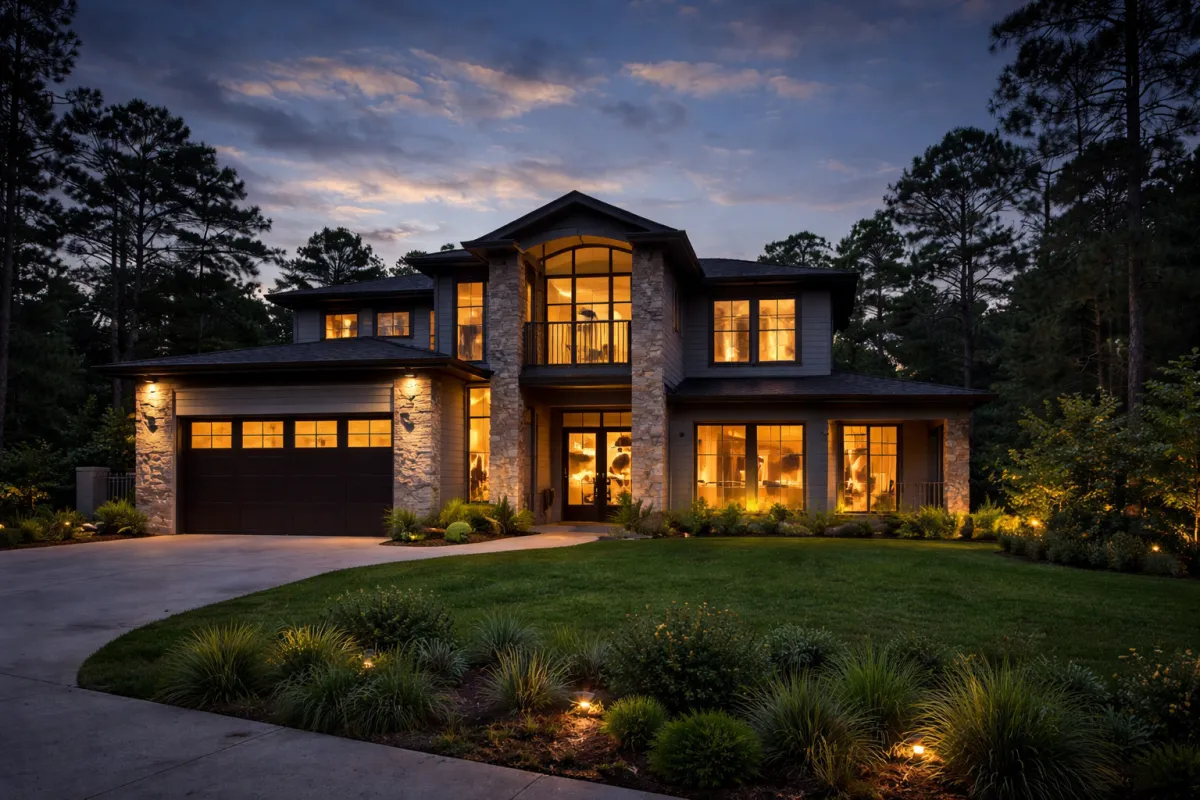
By mid June, the sun turns harsh and unforgiving. High noon will carve shadows across half a façade and blow out pavers. The strategy is timing. For luxury real estate photography luminis.media excels at, we build the day around two exterior anchors: early morning front elevation while the sun is behind you, and a blue hour set that shows ambient lighting, glow from inside, and pool highlights.
Midday becomes an interior block. We treat it like a studio. Close inconsistent blinds, flag rogue sunbeams with black cloth, and use off camera flash as fill. For open concept spaces, one or two bounced strobes provide even lift, then we blend with ambient in post to keep it natural. You are not lighting like a catalog. You are guiding the eye to flow. In mirror heavy powder rooms or glossy cabinets, pull the flash high and to the Luminis Media real estate photography side, or rely on ambient brackets and precise masking.
Heat brings practical issues. HVAC condensate lines can streak concrete. Give them a quick rinse. Glass fogs when you move from polar heat to chilled interiors, so let the camera acclimate five to ten minutes before you start. For drone work on real estate photography luminis.media projects, hot days mean thermals and bumpy air. We fly mornings or late afternoons, and avoid hovering over reflective roofs that confuse VPS sensors. Also, always check local ordinances for beaches and lakes. Summer is when temporary flight restrictions for events pop up.
Lifestyle is the summer story. Frame the grill with a table set lightly, not fully staged like an ad. A closed umbrella looks sad. Open it. If the property has an outdoor shower, rinse the decking to remove footprints, then photograph it clean and bright. For Luminis Media real estate videography, run a slow lateral gimbal move along the pool edge with reflections intact, then a 45 degree drone reveal from the patio up to the treeline. Cut those together with a light surf or cicada sound bed, no music yet, to ground the feeling before the score enters.
If your market has afternoon thunderstorms, use them. You can stack shoots, interiors early, a second property interior midday, then return for a post storm exterior with steam lifting from pavement and a calm, glossy sky. Just keep safety first. Wet drones and gusts end projects.
Fall: texture, angles, and earlier twilights
Autumn is forgiving. The sun angles lower, colors get rich, and lawns often recover. It is also fast. Civil twilight shrinks week by week, so planning is the difference between a rich twilight and a deep blue that reads cold.
We encourage sellers to clear gutters and blow leaves from roofs the day before. Nothing ruins a clean white dormer like a fringe of wet leaves. For Luminis Media listing photography in wooded lots, we bring a small rake to pull leaves off stoops between setups. A brass kickplate glows with a quick wipe. Little things read in high resolution.
Fall light can be moody. We often lean into it. A darker, more dimensional living room can look luxurious if you keep contrast controlled and let lamp shades glow. For kitchens, beware of orange cast from late afternoon sun reflecting off foliage. Set custom white balance with a card, and be ready to localize corrections in post. On exteriors, we add one frame for practical lights on around 20 to 30 minutes before official sunset, then continue through civil twilight. Buyers love to see how the home feels at dinner time.
For videography, fall is when steadiness matters. Wind through trees can distract at high shutter angles. Back your shutter to keep motion natural, stabilize only what is needed, and do not fight wind with excessive warp. Show slow, intentional movements. A slider on a back deck that reveals a valley view through amber leaves can be the hero shot for many Luminis Media luxury real estate photography projects.
Winter: honest warmth and clean lines
Winter compresses dynamic range and complicates access. It also delivers some of the best real estate photos Luminis Media produces each year. Clear winter air makes exteriors hyper sharp, and blue hour lasts just long enough to cover a full exterior set if you are prepared.
Snow is a decision. Fresh snow at three inches is elegant, but half melted slush is not. If a storm hits, reschedule to the first sunny day after plows clear and crews can salt steps. We ask homeowners to shovel to full width and treat ice with sand. Safety is non negotiable. For Luminis Media real estate photographer teams, that also extends to gear. Bring microspikes for slick slopes, spare batteries kept warm in an inner pocket, and a towel for boots to protect hardwood floors.
Interior warmth sells in winter. If there is a fireplace, light it, but keep flames low so highlights do not clip. A cooler base color temperature of winter daylight can make walls read gray. We bump wall warmth selectively and add a touch of local saturation to wood and textiles. Window views go blue quickly in late afternoon. Decide whether you want that deep alpine blue, or if the story is a bright noon sun sparkling on snow. Both are valid, but trying to split the difference leaves you with odd gray windows. When in doubt, commit to time of day.
Winter skies are often blank. Sky replacements are common, but MLS rules vary. Some boards insist on disclosure, others ban it. Luminis Media follows local regulations and client policy. When we do replace, we keep it seasonally plausible with low sun angles and soft, diffuse clouds, no dramatic July cumulus in January. For evening exteriors, consider a very subtle warm tint on path lights to pull the viewer forward. Luxury properties with large glass walls benefit from a bit of interior exposure lift at blue hour, preserving a view into the space.
The small things that keep shoots seasonal and smooth
Staging needs shift with the calendar. In spring, cut tulips on the island are timeless, but Easter decor dates a listing. In summer, a chilled carafe and two clean glasses on a shaded table beat a basket of seashells by a mile. In fall, blankets and branches can feel forced. Use texture, not theme, wool throws, wood bowls, ceramic vases. In winter, keep holiday items generic or none at all. Sellers sometimes ask to keep a tree. If that tree would still be up in March when the listing circulates on social, we suggest removing it for the shoot.
Windows matter year round. For Luminis Media property photography, we ask clients to schedule window cleaning within one week of the shoot, especially in spring pollen season and after winter storms. If that is not possible, we adjust angles to avoid the worst panes and lean on depth of field to de emphasize debris, but clean glass saves hours.
Landscaping is your background actor. Summer hedges clip nicely, fall beds should be edged, and in winter the front walk becomes a composition line when lawn is white. Keep trash day off your shoot schedule. It sounds obvious until a perfect façade gets ringed by five green bins that the city will not collect for hours.
Timing by season: when light serves the story
Here is a compact reference we use when planning luminis.media real estate photography calendars in temperate climates. Local latitude will shift exact times, so treat these as starting points and adjust by week.
- Spring: Front exteriors 8 to 10 am for flatter façades, backyards 3 to 5 pm for glow through foliage. Interiors late morning or early afternoon on overcast.
- Summer: Front exteriors 7 to 9 am, blue hour 20 minutes before to 25 minutes after sunset. Interiors 10 am to 2 pm with controlled blinds and fill.
- Fall: Front exteriors 8:30 to 10:30 am, backyards 2:30 to 4:30 pm. Twilight begins earlier, be set 30 minutes before sunset.
- Winter: Midday exteriors for maximum sun on façades, 11 am to 2 pm. Interiors capitalize on bright noon light or lean into blue hour warmth.
Technique pivots through the year
Exposure strategy shifts with season. In bright summer scenes, a base of ambient at f/8 to f/11, ISO 100 to 200, with a single bounced flash for fill, yields crisp, honest images. Bracket only when window views are critical and within reason. Autumn interiors often need less flash. Let the room breathe, meter for midtones, and preserve highlights around lamps. Winter outdoors, consider exposure compensation to avoid underexposing snow, and protect whites by checking histogram, not just LCD. Spring can surprise with mixed green and magenta spill from trees and brick. Shoot a gray card frame in each key room, it streamlines batch corrections later.
For Luminis Media real estate videography, shutter discipline is season specific. Summer brightness forces ND usage. A variable ND on the main cine lens keeps you at 1 over 48 or 1 over 60 shutter at 24 or 30 fps. In winter, lower ambient lets you open up without heavy filtration, but watch for flicker under certain LED fixtures. Test and, if needed, tweak shutter slightly to sync. Gimbals do not love wind, especially in fall gusts. Keep movements smaller, and do a safety pass locked off on a tripod for every hero angle. Editors appreciate options.
Aerials that respect the season and the rules
Drone work adds context, but seasonal hazards are real. In summer, sun glint off lakes at midday will blow highlights. Angle the drone to catch shoreline diagonally, and film in early morning or near sunset. In winter, cold saps batteries. Prewarm packs in an insulated bag, keep flights short, and land with 30 percent remaining, not 15. In spring, birds can be territorial near nests. Give them space. In fall, leaves confuse obstacle sensors. Fly attentively, line of sight, and with a spotter on complex sites.
Regulations shift locally and by event. Luminis Media real estate photographer pilots maintain Part 107 certification where required and file LAANC requests for controlled airspace. Some HOAs prohibit drone flights or require notice. We loop clients in early so aerials do not vanish from the deliverables on shoot day.
Post production with seasonal restraint
Color management separates good from great. In spring, greens push too far when saturation is applied uniformly. We target HSL greens and yellows, reduce saturation slightly, and move hue a touch to natural. In summer, professional photographer Luminis Media blues can veer cyan. Keep them rich, not toy like. Fall reds clip quickly, especially in maples. If you must boost, do it locally and keep oranges plausible. Winter whites take on magenta from dusk and sodium vapor lights. A subtle split toning or camera profile tweak can keep snow neutral.
Sky work should follow local rules and brand standards. Luminis Media listing photography avoids cartoon skies. If you replace, match angle and softness, and do not reflect clouds that are not actually in water features. For grass repair, spring and summer allow for modest patching where seeding is obvious. Fall and winter call for honesty. Buyers do not expect emerald turf in December.
Video grades should mirror the stills. Summer sequences can carry a half stop lower contrast with gentle roll off to preserve highlights on water. Winter interiors benefit from a small warmth lift. Above all, consistency across the photo set and the video deliverable is what signals professionalism.
Business policies that help clients through seasons
Weather reschedules are part of real estate photography Luminis Media planning. We set expectations at booking. Light rain is workable for interiors and sometimes great for exteriors, but heavy wind, lightning, or active snow can push. A clear policy avoids last minute negotiation. For travel to mountain or coastal properties, we build a weather window around the day and keep a backup time. Clients appreciate a proactive plan.
Pricing can account for twilight add ons, drone flights, and seasonal complexity. Twilight is often a must in summer and fall for luxury lots, and it takes time. Our clients know that Luminis Media luxury real estate photography includes that option with a realistic estimate of setup, waiting, and the second return drive if needed. For winter, snow removal time or safety delays are addressed in advance. It keeps relationships clean.
Coordination with agents matters more when the calendar tightens. In peak spring markets, we guide agents to secure landscapers and window cleaning early. In late fall, we advise listing before Thanksgiving if the plan is to catch pre holiday buyers. If they must list in late December, we aim for an early January refresh with a second, brighter exterior hero after the solstice light returns.
Two real scenarios and what they teach
A lakefront in July looked perfect at 10 am at first glance. Deep blue water, fast boats, and sun everywhere. The front elevation, however, went half in shade, half in blaze, which would never retouch convincingly. We did the interior first, filmed the dock when the wind laid down, then returned at 7:45 pm for stills, and 8:20 for the final drone reveal over the cove as lights came on. The gallery led with that twilight front, and the agent reported unusually high click through on the first weekend. Luminis Media real estate photos work hardest when they let the buyer imagine a summer evening, not just a hot noon.
A mid century ranch in February sat under a wide, pale sky. The driveway was clear, the porch salted, and we had one hour of sun. We shot exteriors at 11:30 am to get façade light, then shifted to interiors with careful warming and a low, calm fireplace flame. A blue hour return finished the set with glow from clerestory windows. The final sequence in the luminis.media real estate videography cut used natural room tone and the sound of a kettle setting down. It felt lived in. The home accepted an offer in four days after languishing as for sale by owner with phone photos for three weeks.
Urban, suburban, and rural differences
Cities rarely play by suburban seasonal rules. Towers cast long shadows in winter, and summer reflections torch windows. We scout time of day with sun apps and our own notes. A downtown listing might demand a Saturday shoot to avoid deliveries blocking the curb. Interiors rely on cleaner compositions because skyline views are the draw. In fall, we frame a sliver of turning trees in a median to nod to season without making it the subject.
Suburbs give you control. You can pick a side street for car removal, schedule dusk when traffic slows, and stage porches for July. Here, Luminis Media property photography leans into lifestyle elements, porch swings, grills, garden lights. In winter, we trim the story to clarity. No one needs ten photos of snow. Two to three exteriors, focused interiors, then twilight.
Rural shoots fight logistics. Spring roads go soft and muddy, summer bugs attack at dusk, fall winds whip, and winter roads close. Planning becomes survival. We pack mats for muddy drive aisles, bug spray in summer for evening twilight, and spare blades for drones that encounter a curious gnat cloud. The pay off is room to show land. Drone or high mast exteriors in fall, especially, sell acreage better than any words can.
The compact kit tweaks that save a day
These five items rotate in and out of our Luminis Media real estate photographer bags as seasons turn. Small changes, big impact.
- Spring: Circular polarizer to tame leaf glare and wet surfaces, plus a gray card for quick color targets.
- Summer: Variable ND for video, lens hood extensions, and microfiber for sweat and sunscreen smears.
- Fall: A light rake and gloves, plus a neutral density gel set for balancing a single hot window during moody interiors.
- Winter: Microspikes and hand warmers for battery health, with a boot towel for entryways.
- Year round: A compact umbrella and gaffer tape, because weather and doors have their own plans.
Aligning deliverables with season and platform
MLS compresses, broker sites do not. Social crops vertical, and luxury print brochures reward detail. For real estate photography Luminis Media delivers, we build a core set of 25 to 40 MLS ready images, then a social edit that favors vertical or 4 by 5 crops, and a hero set for print. In spring and summer, social edits lead with exteriors. In winter, they lead with an inviting interior, then a twilight exterior to keep swipe momentum. For luminis.media real estate photos on high end listings, we also deliver a few black and white frames in fall and winter. Wood grain, plaster, and stone read beautifully that way, and it gives agents visual variety without clutter.
Video pacing follows season. Summer pieces breathe. Fall pieces lean on textures and slower reveals. Winter edits lean into coziness and steady frames. Spring edits feel bright and crisp. The music follows that arc, never overpowering, always secondary to the space.
Ethics, accuracy, and buyer trust
Seasonal strategy must not slip into seasonal deception. Grass replacements that imply lush July turf in April, or fake snow that hides a sloped drive’s reality in January, break trust. Luminis Media real estate photography focuses on honest enhancement. We will sweep leaves and turn on lights, but we will not erase power lines or move neighboring houses in a reflection. MLS boards vary, and we respect their policies. More importantly, buyers do not forgive surprises at showings.
Bringing it together
Season affects everything, from what is in the frame to how you set the camera and where you park. A reliable calendar, a flexible kit, and an eye for seasonal cues turn average sets into persuasive ones. Luminis Media real estate photography and videography practice grows out of that rhythm. We shoot for light that tells the truth about a home at that time of year, and we schedule to show the parts of a property that matter to a buyer who will live through those seasons.
This is where craft and planning meet. The house is the subject, but the season is the language. When you match both, the gallery sings, the video flows, and the listing stands out for the right reasons.