Luxury Real Estate Photography Luminis Media for Mountain Estates
Mountain estates ask more from a camera than almost any other property type. Altitude shifts the light. Weather changes in minutes. Rooms open to glass and sky, which feels magical until the sensor meets a six-stop difference between sun-blasted peaks and a walnut-paneled great room. This is where technique, fieldcraft, and patient planning make the difference between serviceable images and photographs that sell the place before a buyer ever steps onto the drive.
At Luminis Media, our work lives at this intersection. Brokers call us for real estate photography that reads natural yet elevated, with details that carry, honest color, and a visual arc that matches the cadence of a day in the high country. The following is how we approach mountain luxury listings, what we have learned after hundreds of shoots, and where real estate videography adds the emotional lift that pushes a listing over the top.
The mountain light you think you know, and the one you meet on location
On paper, mountain light looks simple. Clean air, high sun angles, long blue hours. On the ground, it drifts. Valleys shade out an hour earlier than your sun app promises. High cirrus starts a natural softbox that abruptly vanishes. Snow doubles your ambient through reflection and bounces cool light into rooms that were staged for warm wood tones.
We start every job with a light map. Not just a time for sunrise and sunset, but where that light breaks across ridgelines, which slopes sit in shade until mid-morning, and when alpenglow may fire the peaks. This matters for frames that stitch interior and exterior in one view, because your timing controls how close you can keep those exposures without making the living room look dull or the mountain view nuclear.
When a room opens to floor-to-ceiling glass, we will often split the room across two windows of the day. One in late morning when exterior contrast is friendlier, another in late afternoon when the deck, railings, and nearby evergreens light up with crosslight. Clients expect a single visit, so we plan the route and gear caches accordingly. We tell the broker where we will be at 11:20 and again at 4:35, and we keep to it.
Scouting, access, and the quiet work that saves the shoot
Mountain access can eat your day if you do not ground it in facts. Private roads with gates, snow-packed pullouts, and deliveries that clog a narrow switchback all change feasibility. We request a site plan in advance, plus a quick FaceTime or video walk-through with the stager or property manager. That ten-minute preview lets us solve choke points before we roll cases inside.
We also ask a simple question that saves many shoots: what cannot be moved? Grand pianos, eight-foot dining tables, a custom antler chandelier with a hairline crack. Knowing the immovable lets us design the compositions around them, rather than spending half an hour moving rugs that are anchored by 300 pounds of table.
For properties above 8,000 feet, we assume weather. We keep tire chains in the car, plus a shovel, and we leave an extra half hour to sweep decks and steps. Nothing kills a view faster than half-melted slush lines floating at the edge of a glass railing. If the exterior has a negative edge pool, we treat that like a glass feature and clean it with the same caution.
What goes in the cases, and why it matters at altitude
The equipment list is not exotic, it is considered. Full-frame bodies with high dynamic range sensors, a rugged tripod that locks tight at every leg angle, and tilt-shift lenses that hold lines true when you back into a stone fireplace. We bring a medium-wide prime that stays sharp across the frame and a longer lens for compressing mountain layers through windows.
For lighting, we use small, color-accurate strobes with a radio system that does not drop in steep terrain. Fresnel heads and flags help shape light without scattering fill onto dark beams. We real estate photography spring tx carry a small set of gels for the usual suspects, cool window light and warm tungstens. Matching color temperature saves hours in post.
Drones are a staple for our real estate photography at Luminis Media, though they do not fly every day. High winds, thermals near cliff faces, and sudden snow squalls are reasons to keep options open. When the air is stable, aerials reveal how a home sits in its environment, the trail cut down to the river, the privacy line at the tree edge. We fly only when permitted and safe, and we brief the owner about noise so pets and horses are not spooked.
Compositions that breathe, not flatten
Large mountain rooms can photograph small if you chase only width. We prefer depth. A foreground element that earns its place, a mid-ground that holds detail, and a background that tells the reason the home exists. For a great room that opens to a southern ridgeline, that might be a close chair arm with a knit throw, the sweep of the hearth, and the mountain ridge falling into soft haze outside. The viewer enters the photo, not just looks at it.
Keeping verticals true matters more in mountain estates than it does in many city lofts. Sloped ceilings, exposed trusses, and tapering stone columns make crooked lines obvious. Tilt-shift moves solve this in camera, and careful tripod placement finishes the job. If a necessary camera height gives a better relationship between room and view, we will sometimes accept a small perspective fix in post, but we avoid over-correction that bends the geometry.
We watch reflections. Black appliances become mirrors. A wall of glass reflects both interior light and snow outside, which can create odd halos. A small polarizer move can help without deadening the scene, but we check how it treats the sky because a heavy-handed polar can strip the feel from high altitude air.
Interiors that mix glass, timber, fire, and snow
Mountain interiors are powerful combinations of tone and texture. Warm hickory next to cool granite, hand-troweled plaster opposite glossy steel, a roaring fire and a north-facing window pulling blue. The trick is to make them all play together without looking processed.
We often underexpose the interior base shot by about two thirds of a stop, then lift select elements with small off-camera lights that are feathered across beams and cabinets. A soft kiss of light brings back wood grain without flattening shadows. We then blend frames by hand, favoring exposure fusion over bracketed HDR that can wash the soul from wood. If the exterior is still too hot, we shoot a controlled frame through the glass with a short shutter and blend that into the window aperture. The idea is honesty first, with enough control to let the eye enjoy the space.
Fireplaces are art and chaos. Glass fronts pull reflections, and flames jump. We shoot a stack, from embers-only to healthy flame, then build a composite that looks like a good fire feels. The viewer should sense warmth without a five-alarm blaze stealing the composition.
The time when everything looks better than it did midday
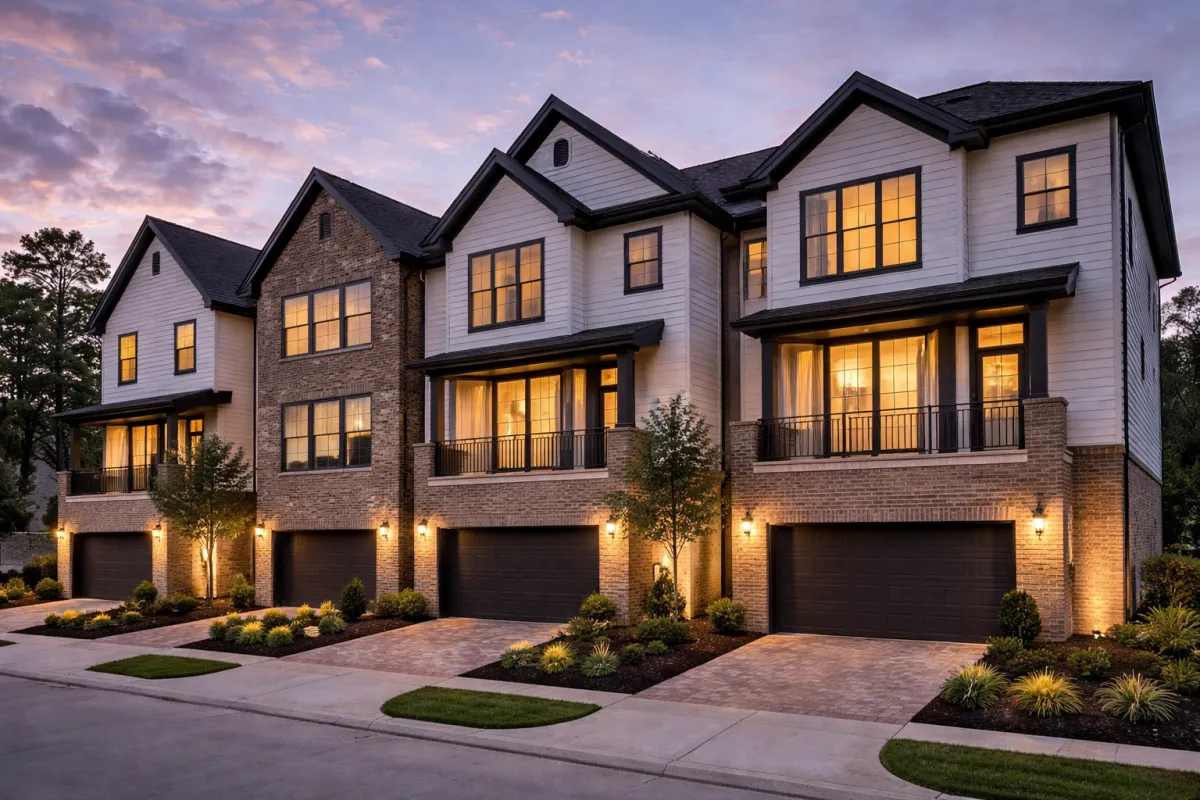
Twilight in the mountains is earned. You carry on longer than your legs want, you wait in the cold, and you are paid back by a moment when the interior and exterior carry the same weight. We plan for twilight exteriors whenever the property has meaningful landscape lighting or an architectural silhouette that sits clean against the sky. We also plan for a single interior twilight hero, most often a room that opens to the main view.
This is also where real estate videography at Luminis Media earns its keep. A slow rise from the drive at blue hour, lights glowing, soft steam off a hot tub or pool, and the first stars pushing through. Music matters here. We avoid swelling tracks that feel like a movie trailer. We pick a pace that honors the space, and we cut to the breathing of the house.
Working around winter, mud season, and high summer
Every season in the mountains brings a look and a set of problems. Snow photographs beautifully, then turns punishing as it reflects light into rooms that were dressed for warmth. We lean into it by warming interior color a hair, not by pushing saturation. Fresh snow needs grooming. We bring wide brooms to remove foot tracks and snow clumps on stone steps. We repair what wind and plow spray broke overnight.
Mud season is honest, and honesty sometimes hurts a listing. If timing cannot shift, we find vantage points that minimize brown patches and highlight evergreen mass. A shallow depth of field on a foreground branch near a window can screen a messy slope while keeping the sense of place. Inside, we protect floors with runners and boot trays and plan our route so we do not revisit cleaned rooms in dirty boots.
High summer gives you luxuriously long evenings and the risk of flat light all day. We seek crosslight early and late, then retreat to interiors during the plateau of the afternoon. A light cloud deck is a gift, but we do not pretend a blazing noon sun is friendly. If a broker insists on a midday deck shot, we pick one angle that plays well with hard light and let the rest wait until later. It is not stubbornness, it is stewardship of the product.
Staging that fits the altitude, not a downtown loft
The staging language shifts with mountain estates. Oversized sofas are common, wool throws, antler or forged iron details, and art that echoes the landscape. We ask stagers to bring a restrained palette, because the main color in most of our frames is outside the glass. A blood-orange pillow that works in the city can fight a blue mountain ridge and snow. We prefer texture over pop.
We also suggest a real-life layer that sells experience. A wood basket filled but not overflowing, a pair of boots by the mudroom bench, breakfast set simply on an island. The line between styled and contrived is thin. We keep it on the right side by adding only what you would see if someone lived there with care.
Collaborating with brokers, builders, and owners
Mountain listings operate on trust. Access is private, and many owners live part-time. We make communication specific. That starts with a brief, written in plain language, and a shot map that shows sequence and timing. When the property is part of a new build, we loop in the builder to identify what is fully complete and what needs to be avoided. If the deck railings are pending final lacquer, we plan wider exteriors that do not put the rail in close-up.
Our clients use different names when they refer to us. Some say Luminis Media real estate photography, others type luminis.media real estate photography into their phones. Whatever the label, we keep the standard the same. The broker knows when previews will arrive, which frames will be in the hero set, and how many alternates to expect for the MLS versus a print brochure. When videography is part of the package, we align the story beats with the photo order so the campaign feels unified.
A practical on-site workflow that respects time and light
We never walk in and start shooting everything in sight. There is a rhythm we stick to that allows for light changes and weather surprises. We begin with the areas that photograph well in any condition, often small baths, closets, bunk rooms, and detail frames. We then pivot to the first window of exterior or view-centric interiors that we identified in the light map. After the midday plateau, we reset for the golden late afternoon run, then hold our twilight positions. This lets us leave with a complete story even if a storm rolls in.
We record color references on site. A simple color checker in a neutral spot gets us a baseline profile for the day. This is a small step that pays big in post when matching wood tones across rooms that mix bulbs and window light. We also log any bulb swaps we perform, because consistency saves time later.
Editing with restraint, and the tools we lean on
Color discipline is non-negotiable. Mountain greens skew blue, snow easily takes cyan without care, and warm interiors can drift orange when you fight the blues too hard. We set a white point from the color checker, shape the curve so it supports both wood and sky, and refine skin tones if lifestyle frames are part of the package. We avoid wide global saturation moves. Instead, we localize. A tiny lift to the copper of a hood, a nudge in the upholstery, a gentle recovery in the snow.
For dynamic range, we favor exposure blending and dodge-burn work rather than automated HDR. Brackets are useful, but we treat them as ingredients, not the dish. Window pulls are inserted where they make sense, not by rule. If the view is a feature and the home is priced for it, we let the exterior read strongly. If the selling point is intimacy and craft, we soften the weight of the outside.
Sky replacements are last resort tools. Mountain skies have character even on flat days. If smoke or pure whiteout ruins a hero frame and the schedule cannot shift, we replace only with a sky recorded in the same season and angle. Clients appreciate honesty, and buyers are perceptive.
Real estate videography that feels like a stay, not a tour
Video at elevation works when it breathes. We build a spine that follows how someone would move through the site. Arrival, reveal, linger, and release. Gimbal work that is patient, not floaty. Tripod frames with quiet motion to let the room speak. Drone sequences that establish context, then drop to a human height to stay grounded.
Sound is part of the craft. We capture clean natural audio, not to carry the whole piece, but to layer under music. Wind through aspens, a creek below the deck, wood settling after the fire is lit. These small sounds make the property feel inhabited. For voiceover, we prefer restrained scripts that carry no hype. A few real facts, a line about morning light on a specific peak, and a closing beat that invites a private showing.
Clients often ask for a menu of video deliverables. The answer depends on the listing strategy and platform mix. Our team at Luminis Media real estate videography builds a master cut, then versions for MLS time caps, social teasers, and silent loops for digital ads. We keep graphics simple. The home sells itself when the story is told clearly.
A short case from the field
A ridge-top home above 9,000 feet had a wall of glass facing a serrated horizon. The broker needed the view and the craftsmanship in equal measure. We arrived to heavy haze from distant fires. The interiors looked warm and rich, the exterior stacked into pale blue bands. We did not chase saturation. We timed the hero living room shot for late afternoon when the sun crossed behind high clouds, then lifted the timber detail with a feathered strobe off the right side. For the window, we captured a short shutter pull at two thirds underexposure and blended only the exterior through the glass. The result felt like breathing mountain air, not a poster.
Video that day became all about pacing. We dropped the drone below roofline to remove the haze from the equation, then framed the home against nearby evergreens with a shallow orbit. Inside, we let the fire speak. Music was acoustic, low tempo. The campaign went live with a quiet confidence, and the home moved in three weeks at a price just under ask during a soft period. The broker attributed the interest to buyers understanding how the home actually lives from the visuals alone.
Using stills and motion across the full marketing arc
Strong photographs earn more than listing clicks. They drive open rate on email, give PR teams material, and give builders portfolio pieces that land their next project. We think of the library as a modular kit. Horizontal hero frames for MLS and property sites. Vertical crops for social. Detail sequences that play in carousel ads. Video chapters that can stand alone, for example, a 20-second kitchen vignette that hooks aspirational cooks.
We track performance where clients allow it. If the first week shows strong engagement on deck and view visuals but weaker time on interior bath sets, the next round of paid promotion leads with the outdoors. Data does not replace taste, but it helps spend the marketing budget wisely.
Licensing, usage, and protecting value
Clarity on licensing protects everyone. Our default license allows brokers to use photographs and video for the active listing, MLS, syndication, and personal marketing while the property is on the market. Builders and stagers can license specific frames for portfolio use. If the owner wants long-term rights for rental marketing, we price that cleanly. It sounds formal, but it avoids conflict six months later when a third party pulls images into ads that were not part of the plan.
We also handle brand consistency. If an image carries the Luminis Media real estate photos look, it should represent the property accurately wherever it appears. We provide both web-optimized and print-ready files with clear file names, along with LUTs or color notes when the client’s designer needs to keep print collateral consistent. For those who discover us through search terms like real estate photos Luminis Media or luminis.media real estate photos, this reliability is part of why they return.
A compact planning checklist that keeps mountain shoots on track
- Confirm access, snow removal, and gate codes, with a primary and backup contact
- Build a light map for views and exteriors, mark two windows for each key space
- Align staging with the landscape palette, minimize high-chroma accents
- Prep gear for altitude, batteries warm, tilt-shifts, small gels, and flags
- Approve the shot map and deliverable list with the broker, including video versions
Deliverables that make brokers’ lives easier
- Hero set of stills sized for MLS, property site, and print, with consistent color
- Detail frames that support lifestyle marketing, suitable for carousel ads
- A master real estate video cut plus short social versions in vertical and square
- Aerial stills and clips where safe and legal, framed for context and privacy
- A clean license and usage guide, with file structure and naming ready to share
Why the choice of photographer matters for mountain listings
High-end mountain buyers often arrive far down the road in their search before setting foot on the property. They have seen dozens of listings and are filtering through a phone in the back of a car between commitments. Photographs that feel like the life they want are not a luxury, they are the front door. Real estate photography by luminis.media approaches that door with the same respect a builder brings to a beam or a mason gives to a hearth joint.
A Luminis Media real estate photographer will not just widen the lens and open shadows. We evaluate where the story sits and what the buyer cares about. If the appeal is a private riverbank, we plan a dawn frame with mist. If it is a chef’s kitchen, we plate a simple scene that suggests a meal after a day on the mountain. When clients reference us as real estate photographer Luminis Media or find a Luminis Media property photography gallery from a friend, this is what they mean. Precise work that respects the home.
Integrating brand variations without losing the thread
Clients come to us through many doorways. Some arrive from a web search for luminis.media real estate photography, others ask a colleague for a Luminis Media real estate photographer, and a few start with interest in Luminis Media real estate videography that later grows into stills. Regardless of the entry point, the craft stays centered. We build a sequence of listing photography that matches the pace of the property and the real estate photography campaign.
The same applies to naming. You may see references to property photography Luminis Media, listing photography Luminis Media, or even luxury real estate photography luminis.media. They describe the same practice. Careful on-site capture, disciplined post work, and visuals that hold up under the bright light of a serious buyer’s eye.
Where luxury means restraint, not excess
Mountain luxury is not gold leaf and gloss. It is space, quiet, and well-made things placed with intention. Our job is to photograph that without spectacle. The camera angle that shows the grain in a ten-foot dining table, the way a shadow falls across a stone shower, the last light held in a glass of water by the kitchen sink. The view matters, but so does the way the house cradles you when the view is fogged in.
When Luminis Media handles luxury real estate photography, we keep a north star. Tell the truth, improve only what the camera cannot carry on its own, and never let technique draw attention to itself. Buyers notice when the pictures feel better than the room. They may click, but they will not trust. Photos that are honest and beautiful invite a visit, and visits sell mountain properties.
Practicalities that protect schedule and budget
We price calmly, with line items that make sense to brokers and owners. Travel, stills, video, aerials, twilight, and post. If additional dawn returns or storm windows are needed, we state them upfront. For far-flung ranch parcels, we plan fuel and travel windows with a buffer and share the map with the client. Simple communications prevent painful surprises.
Turnaround is fast but not frantic. A standard mountain estate set of stills delivers within two to four business days. Video follows within five to seven, depending on the complexity of the cut. Previews arrive early so the marketing team can build MLS drafts. Final files are delivered by structured folder, labeled for MLS, print, web, and social. If the listing timetable is compressed, we shift resources. The work never becomes assembly-line, even when timelines are tight.
How we measure success beyond a like or a view
We care about metrics, but we keep them in context. Click-through rates on listing portals rise when the first three frames are strong and distinct. Time on page increases when the photo order tells a coherent story. Social video save rates predict in-person showings days later. None of these replace the call from a buyer who says they felt the house before they walked it. That call is our true north.
Across projects, the outcomes repeat. When our real estate photography for Luminis Media focuses on the lived reality of the property, not a abstract ideal, campaign performance improves. When the real estate videography from Luminis Media lets rooms breathe and balances aerials with ground-level human views, showing requests grow. And when brokers trust us to sequence the story, they spend less time fighting their tools and more time working with buyers.
Final notes from the field
If you remember only a handful of principles for mountain estates, remember these. Plan your light like a mountaineer plans a route. Favor depth over width. Respect wood and stone in post. Use videography to carry feeling, not information alone. And keep the experience front and center, because that is what buyers are purchasing.
Whether you found us by searching Luminis Media real estate photos, real estate photography Luminis Media, or luxury real estate photography Luminis Media, the promise is the same. Quiet, confident visuals that represent your listing with accuracy and grace. The mountain does the heavy lifting. We make sure the camera keeps up.